1. For complete beginners
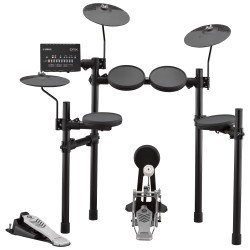
If you are learning, look for a kit that is stable, comfortable and easy to use. You can start by checking our entry level electronic drums, where the key is to practise properly without paying for features you do not yet need.
2. For playing at home
For home practice, it is worth prioritising a compact footprint, headphone use, good snare and kick response, and a rack that does not take up more space than necessary. A drum rug or stabilising accessories can also make the setup more comfortable.
3. For children
For younger players, height, easy setup and motivation are especially important. You can browse our electronic drums for kids if you need a kit better suited to age, space and learning.
4. For more realistic practice
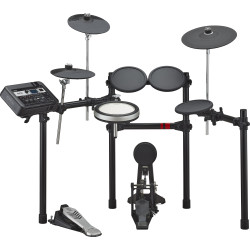
If you already have some technique, pay attention to pad sensitivity, snare size, hi-hat response and the module dynamics. A more expressive kit helps your ghost notes, accents and touch translate better to acoustic drums.
5. For recording or producing
For recording, the module becomes especially important. Look for useful sounds, suitable outputs and good integration with a computer or music software. In this case, the module is not a minor detail: it is part of your workflow.
6. For live or advanced use
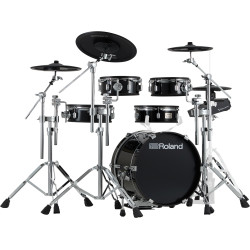
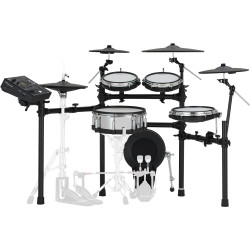
If you are going to play live or need a more complete setup, take a look at our professional electronic drums. For this use, robustness, outputs, sound editing, cymbal response and overall playing feel are essential.














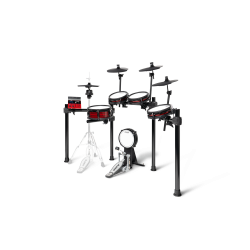
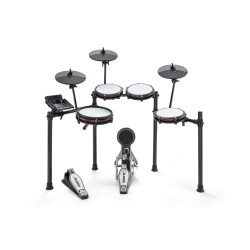
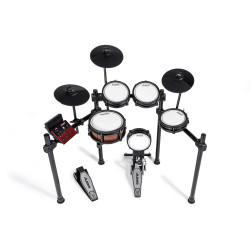
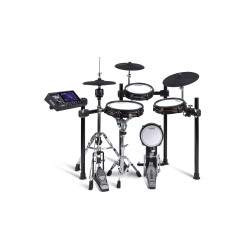








 Hall of Fame