
Caring for Your Mallets and Flumies for Gongs and Singing Bowls

Have you noticed your gong sounding a bit different lately? Tried a friend’s identical mallet and heard a different tone from the same gong?
It’s quite likely that over time, your mallets have deteriorated—something that can drastically impact the sound of your gong or singing bowl. The mallet is the bridge between you and your instrument, so selecting the right one—and looking after it properly—is essential.
Why does your mallet or flumie no longer sound like it did when it was new?
There are several reasons, but they all share one underlying cause: the striking surface of the mallet or flumie has hardened — whether it's made from felt, wool, or rubber. This hardening inevitably alters the sound.
What causes this hardening? Here are the most common culprits:
- The mallet or flumie has absorbed residue from cleaning products left on the gong.
- Dust and environmental particles have settled on the gong and been picked up by the mallet.
- The mallets weren’t stored properly and have gathered dust over time.
- Mallets or flumies were left exposed to sunlight or high temperatures.
While it’s often necessary to clean your gong, it’s crucial to ensure no traces of polish or cleaning agents remain—these can affect not only the gong’s sound but also damage your mallets in the long run.

How to Clean Your Gong
If you’re playing a nickel silver gong, wiping it down with a dry microfibre cloth before each session is an excellent preventative measure. A tip I recently picked up from Olli Hess: gently warm the cloth beforehand — it truly makes a difference.
For Chau or Feng gongs, a slightly damp cotton cloth will do the trick. In my professional life as both a musician and product specialist at TamTam Percusión, I’ve cleaned hundreds of cymbals and gongs—many of them with plain water to remove heavy grime.
Yes, gongs can be cleaned with water. There’s no issue as long as they’re thoroughly dried afterward. I can assure you—no harm will come to them.
Also, keep your gong safely stored in a protective case when not in use to prevent dirt from transferring to your mallets and flumies.
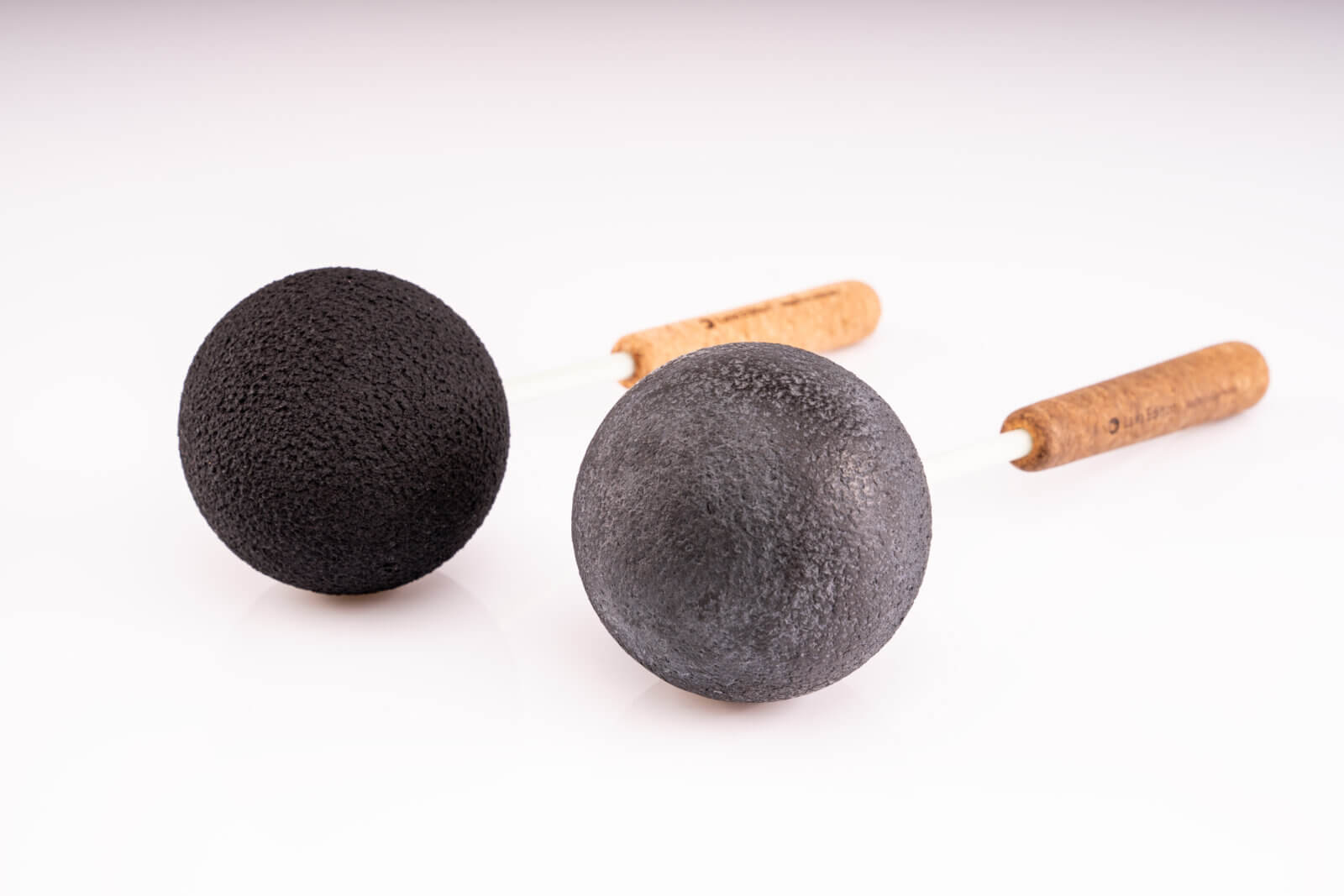
How to Clean Your Flumies
If your flumies have picked up dirt or have lost their grip or tone, try this:
- Boil at least 1 litre of plain water — no detergent.
- Hold the rubber head over a sink and slowly pour the hot water over the entire surface.
- Leave it to air dry naturally.
- Avoid hairdryers or direct heat sources, which can alter the material properties.
For a more “aggressive” approach — only if necessary — you can gently sand the rubber surface with extra-fine sandpaper or even steel wool, but take great care to avoid overdoing it.
How to Clean Your Mallets
Mallets with fleece or wool coverings are far more delicate and should only be cleaned when absolutely necessary, as improper cleaning may compromise the core or reduce the life of the fleece.
Here’s a safe method:
- Use a soft sponge and gently rub the fleece in circular motions, following the grain of the wool.
- Let the mallet air dry—never use artificial heat sources.
- Again, avoid hairdryers or heaters, which could damage the material.
Remember, the quality of the materials used in your mallets and flumies is directly linked to their longevity. At TamTam Percusión, we only work with brands that have consistently proven their quality and durability over the years.
View Our Full Range of Gong Mallets
As always, if you need technical advice or have any questions about these or any other percussion tools, don’t hesitate to get in touch:
- Telf: +34 954 907 226
- Whatsapp: +34 672 655 950
- E-mail: info@tamtampercusion.com
- Or visit us at our showroom in Mairena del Aljarafe, Seville.
We hope you’ve found this guide helpful and informative!
 |
Jose ManzanaresProduct Specialist |






 Hall of Fame