
How to Choose an Electronic Drum Kit: A Buying Guide

Modern electronic drum kits are a far cry from the early models of the 1970s. Back then, they were a true revolution, but their sound quality, responsiveness, and technical capabilities were extremely limited.
Today’s e-kits have evolved dramatically, offering tremendous potential. In fact, top-tier drummers like Thomas Lang, Johnny Rabb, Tony Royster, and Omar Hakim regularly perform with electronic setups.
If you're just starting out, choosing the right kit can feel overwhelming. That’s why we’ve put together this guide to help you navigate your options and highlight what we believe are the best beginner electronic drum sets available today.

This guide is designed to simplify your decision-making process and give you a clear understanding of the key elements to consider when choosing your first electronic drum kit.
Acoustic vs. Electronic Drums: Which One Is Better?
The honest answer: it depends on your needs. While most drummers love the feel and sound of an acoustic drum kit, they’re not always practical. That’s where electronic drum kits come into play.
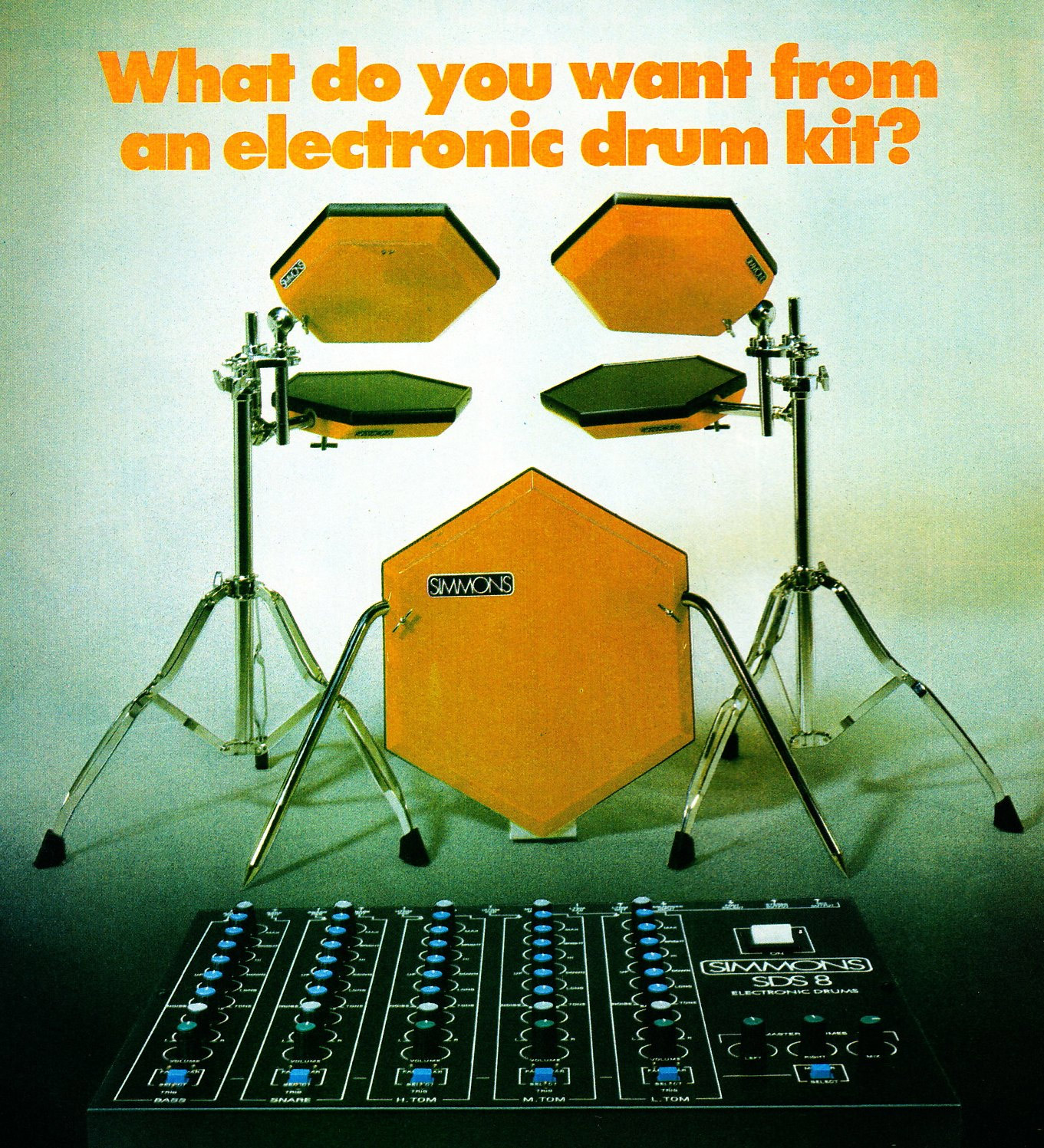
What’s the Difference Between Acoustic and Electronic Drums?
Sound Variety
Electronic drums are powered by a sound module that can produce hundreds of drum and percussion sounds across multiple genres. Want to switch from jazz to rock, or from Latin grooves to electronic beats? Just press a button. It's like having dozens of drum kits in one.
Space-Saving Design
Electronic kits take up far less space than acoustic ones—a big plus if you're working with a small room or bedroom. They're also easy to set up, dismantle, or fold away when not in use.
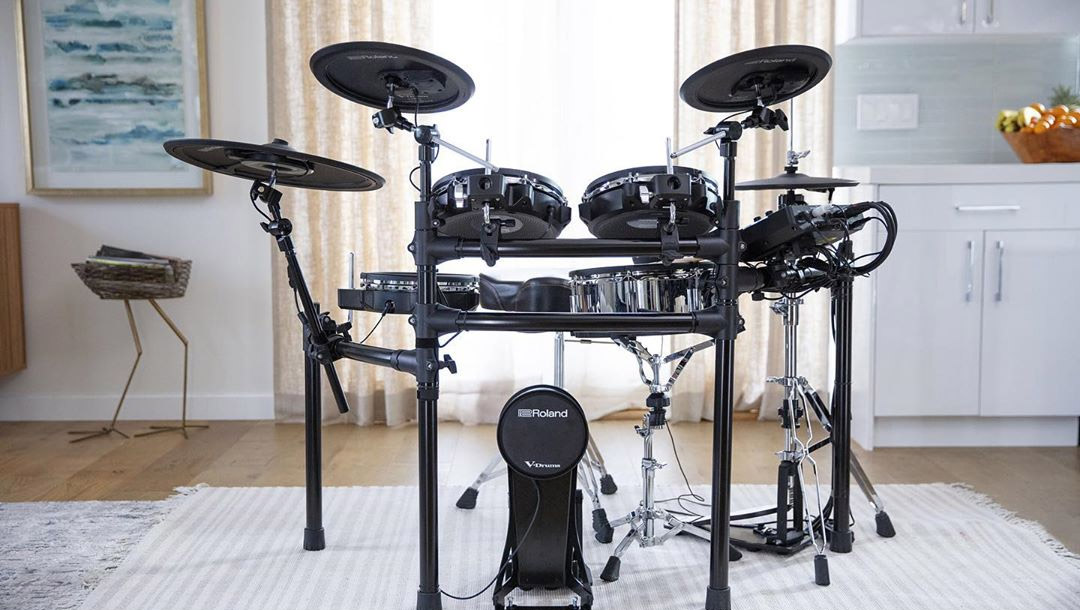
Play Anytime, Anywhere
Thanks to mesh or rubber pads, e-kits are significantly quieter than acoustic drums. Plug in your headphones and practice at any hour—your neighbors and family will thank you.
Consistent Sound
An electronic kit delivers the same sound every time, regardless of the room, temperature, or drumhead tuning. No need for mics, soundproofing, or constant tuning. Whether you’re jamming at home or performing in a small club, you’ll get reliable, high-quality sound.
Components of an Electronic Drum Kit
The Module
Often referred to as “the brain” of the kit, the module generates all the sounds and provides features like sound editing, practice tools, headphone output, and USB or MIDI connectivity. It also manages the communication between pads and the module.

Drum Pads
Drum pads are the surfaces you strike, usually made of rubber or mesh. Inside, piezoelectric sensors convert the stick impact into voltage, which the module translates into sound. Most pads are about 10" in diameter—smaller than acoustic drums, allowing for compact setup.

Many pads respond dynamically to how hard you play, offering expressive performance. Higher-end pads can have multi-zone triggering, allowing for rimshots or cross-stick techniques..
Types of Drum Pads:
- Mesh Heads: Quieter and more responsive, increasingly common even in beginner kits.
- Rubber Pads: Durable and cost-effective, though less forgiving on the wrists during extended sessions.
Tom Padsoms
Typically single-zone and dynamic. In mid-range and higher kits, tom pads often have mesh heads and multi-zone functionality for head and rim sounds.
Snare Pads
Usually stereo (dual-zone) with options for main hit and rimshot or cross-stick. High-end modules support three-zone snare pads.
Cymbal Pads
Cymbal pads mimic real cymbals in shape and response, often offering multiple zones for edge, bow, and bell articulations. Many include “choke” functionality—mute the cymbal by grabbing it, just like with an acoustic one.
Hi-Hat Pads
Entry-level kits use a pad and controller pedal combo. Higher-end models allow you to mount dual-pads on a standard hi-hat stand for more authentic feel and control. See here
Kick Pads
There are three main types:
- Silent Kick Pedals: Designed to reduce vibrations—ideal for shared living spaces.
- Rubber or Mesh Kick Pads: Compatible with your regular bass drum pedal, and most support double-kick setups.
- Acoustic-Style Kick Drums: These resemble real kick drums in look and feel, offering a more immersive experience.
Which Drum Kit Should I Choose?
That depends on your budget and personal needs. Fortunately, we’ve put together a curated list of the best electronic drum kits for beginners:

- 1. Alesis Nitro Max
- 2. Roland TD-02KV
- 3. Yamaha DTX402K
- 4. Alesis Turbo Mesh
- 5. Roland TD-07KV
- 6. Roland TD-02K
- 7. Nux DM-210
Check out our full guide to the best beginner electronic drum kits:
Brands We Trust at TamTam Percusión
We only work with proven, reputable brands that meet our high standards in manufacturing and after-sales support. No white-label or low-quality imports—only names we stand behind.
Roland

Roland’s V-Drums are arguably the most recognized e-kits in the world. Their build quality, sound engine, and realistic response are unmatched. Roland leads the pack in electronic percussion innovation.
Explore Roland electronic drum kits.
Alesis
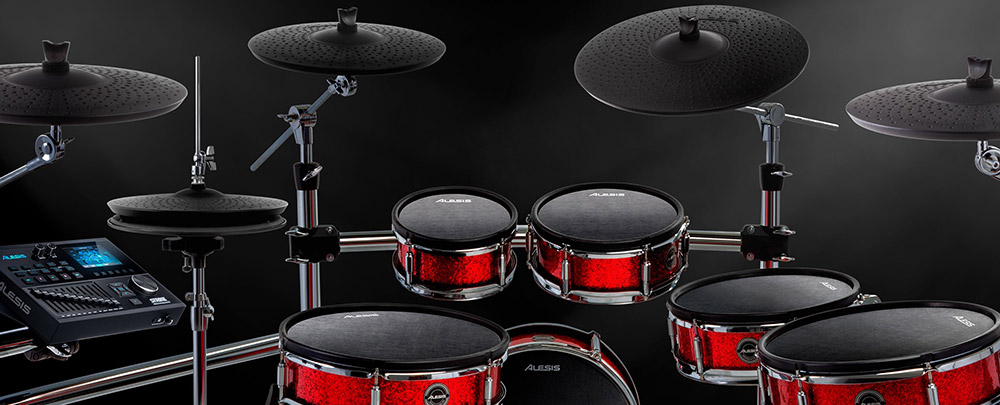
Alesis has quickly risen as a leader in electronic drums, offering innovative features and exceptional value. Their range includes models for every budget, making it easy to find the perfect fit for your setup.
Explore Alesis electronic drum kits.
Yamaha

Known for excellence in both acoustic and electronic instruments, Yamaha combines top-tier materials with decades of percussion expertise. Their DTX series is a solid, versatile option for beginners and pros alike.
Explore Yamaha electronic drum kits.
Pearl
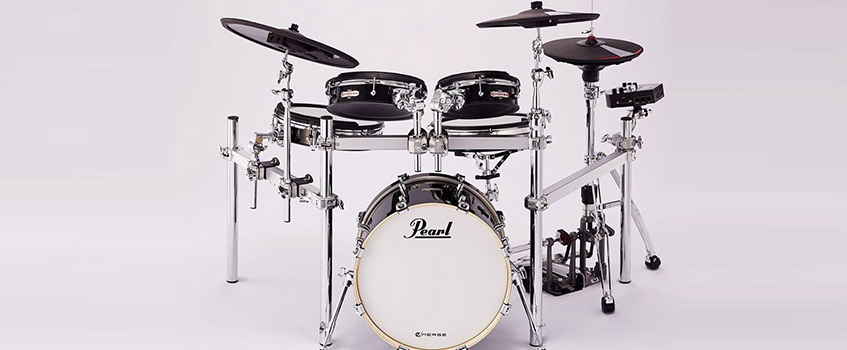
Pearl has entered the e-drum market in collaboration with Korg, delivering powerful hybrid kits that combine acoustic realism with electronic versatility.
Explore Pearl electronic drum kits.
Zildjian

Yes, Zildjian now makes electronic drums—and they’ve entered the arena in style. Their kits feature an extensive library of Zildjian cymbal samples, offering top-notch realism and expression.
Explore Zildjian electronic drum kits
Still Not Sure What to Choose?
Fill out our custom recommendation form with your preferences and let us help you find the electronic drum kit that best suits your playing style, space, and budget.
Do you need Technical Assistance?
We’re here to help! Contact us for personalized advice:
- Phone+34 954 907 226
- Whatsapp: +34 672 655 950
- E-mail: info@tamtampercusion.com
- Or visit us in-store: Mairena del Aljarafe, Seville
We hope you’ve found this guide helpful!
 |
Jose ManzanaresProduct Specialist |






 Hall of Fame